
A drainage easement can cross the exact strip of land where you want a new driveway. That does not mean you can pour concrete there whenever you choose.
In Charleston, the answer depends on the easement document, the agency or utility that controls it, local permits, and whether the driveway changes stormwater flow. Before scheduling a pour, review the plat, contact the easement holder, and confirm the design with the proper permitting office.
Key Takeaways
- A driveway may cross a Charleston drainage easement, but private property ownership doesn’t cancel the easement rights.
- The easement holder may require access to pipes, swales, ditches, or culverts later.
- You may need written permission, an encroachment permit, an engineering permit, or all three.
- Poor grading or a missing culvert can cause standing water, erosion, cracking, and disputes with neighbors.
- Never pour until the easement terms and drainage design receive written approval.
What a Drainage Easement Allows
A drainage easement is a legal right that gives another party access to part of your property for stormwater purposes. The property may belong to you, but the easement holder can retain rights to inspect, repair, replace, or maintain drainage features.
The holder could be the City of Charleston, Charleston County, a town, a utility company, a stormwater district, or a private development association. Your deed and recorded plat should identify the easement’s width, location, purpose, and controlling party.
That distinction matters because a driveway is a permanent structure. A drainage easement often needs to remain open for maintenance equipment and future repairs. Concrete can cover a pipe, restrict access to a swale, or change how water enters a ditch.
The City of Charleston describes encroachments as fixtures placed in a right-of-way or city easement. Its encroachment requirements state that the work requires an engineering permit. A private easement can have separate rules, so city approval alone may not settle the question.

A title company, real estate attorney, surveyor, or civil engineer can help interpret unclear documents. Don’t rely on a visible ditch, an old driveway, or a neighbor’s project as proof that your plan is allowed.
Can a Driveway Cross the Easement?
Sometimes, but only after the right approvals. A driveway crossing may be possible when it preserves water flow and gives the easement holder reasonable access. However, the easement language controls the decision.
Some documents allow driveways, walkways, or other surface improvements with approval. Others prohibit permanent structures or state that any improvement remains at the owner’s risk. If the holder needs to reach a buried pipe, it may remove the concrete to complete repairs.
Many easement agreements also state that the owner must pay for removal and restoration. The agency or utility may have no duty to replace a driveway that blocked access. Written approval can reduce uncertainty, but it doesn’t always guarantee compensation if future maintenance requires removal.
Local jurisdiction also matters. A project inside the City of Charleston follows city requirements. A project in North Charleston, Mount Pleasant, James Island, or unincorporated Charleston County may follow different procedures. North Charleston publishes city encroachment permit information, including restrictions for work near pavement.
Charleston County rules can also affect driveway width, location, drainage, and road access. The county’s road and drainage construction standards reference the Charleston County Stormwater Program permitting standards.
Before you approve a concrete layout, identify four parties:
- The recorded easement holder.
- The local building or engineering department.
- The road owner, if the driveway connects to a public street.
- Your HOA, if neighborhood covenants regulate driveways or drainage.
Approval from one party doesn’t automatically replace approval from the others.
Why Drainage Problems Can Damage the Driveway
Water is the main construction concern. A drainage easement usually exists because stormwater must cross, collect, or leave the property through a defined path. A broad slab can block that path if the design doesn’t include the right opening, slope, or culvert.
When water backs up at the driveway entrance, it can saturate the base beneath the concrete. In Lowcountry soils, that saturated area may settle unevenly. As the ground moves, the slab can crack, sink, or separate from the adjoining pavement.
A driveway culvert may be necessary where a ditch or swale carries water across the entrance. The pipe size, elevation, end treatments, and cover depth need to match the site. A pipe that’s too small can back up during heavy rain. A pipe set too high can hold water upstream.
Surface grading matters too. The driveway should direct water toward an approved outlet without sending runoff onto a neighbor’s property or into a public road in an unsafe way. Downspouts and irrigation systems can add more water to the same area.
Moisture also creates maintenance problems. Constant dampness can leave algae, mud, and grit on the surface. Those deposits make a driveway slick and stain the concrete. They also hide early signs of erosion around the slab.
The county’s driveway location guidance includes residential driveway width and roadway placement provisions. A drainage crossing may require a site-specific review beyond those basic dimensions.
A professional site review should check:
- Existing ditch, swale, pipe, or catch basin locations
- Finished elevations and water flow
- Soil conditions and soft areas
- Culvert size and inlet and outlet protection
- Access needs for future maintenance
- Connection to the public road or curb
What to Do Before Pouring Concrete
Start with the recorded documents. Obtain the latest survey, subdivision plat, deed, and any separate easement agreement. Look for language about access, maintenance, construction restrictions, removal, indemnification, and restoration.
If the documents don’t name the current holder, contact the city, county, utility, HOA, or developer listed in the records. Ask for a written response about the proposed driveway location. Include a survey or marked-up site plan rather than relying on a verbal description.
Next, confirm which permits apply. Depending on the site, you may need an encroachment application, engineering permit, driveway permit, stormwater approval, or road connection approval. Ask the permitting office whether the project requires a licensed engineer’s plan.
A practical approval sequence looks like this:
- Mark the easement on a current survey.
- Locate underground utilities through South Carolina 811 before excavation.
- Have a contractor or drainage professional measure grades and inspect the crossing.
- Obtain written consent from the easement holder.
- Submit the plans to the correct city or county office.
- Secure HOA approval when covenants apply.
- Pour only after the permits and conditions are in writing.
The site plan should show the driveway width, thickness, slope, concrete limits, culvert, drainage direction, and connections to existing pavement. It should also show how equipment can reach the easement in the future.
Don’t assume a permit protects you from every private claim. A local permit may confirm compliance with public rules, but the recorded easement still controls private access rights. When the language is unclear or the project has significant cost, obtain advice from a South Carolina real estate attorney.
You can also review Charleston concrete advice for homeowners before comparing design options and drainage solutions.
Choosing Concrete for a Charleston Drainage Crossing
A driveway over or near an easement needs a design based on drainage first and appearance second. A reputable Lowcountry concrete contractor should inspect the entire approach, not only the spot where the slab will sit.
Thickness, reinforcement, joints, base preparation, and edge support all matter. However, those features cannot correct a drainage plan that leaves water trapped beneath the driveway. The contractor should coordinate with the engineer or easement holder when the crossing includes a culvert or buried pipe.
A standard broom finish often suits a driveway because it adds traction. Decorative options can work too, but texture and color don’t remove access or drainage requirements. Homeowners researching a concrete driveway Charleston SC project should ask how the proposed finish will perform in a wet, shaded area.
The same review applies to related work. A search for a stamped concrete patio Charleston homeowners like should still begin with grading and easement checks when the patio sits near a swale. Plans for a pool deck concrete Charleston project need room for drainage, equipment access, and safe runoff. A concrete slab installation Charleston property requires the same attention when stormwater crosses the building site.
Decorative materials also need the right setting. Homeowners asking about tabby concrete Charleston properties may want an oyster-shell finish with local character, but the surface still needs a stable base and proper drainage. The visual style cannot compensate for a blocked easement.
Choose a contractor who will provide a clear scope of work, explain the site risks, and coordinate with the permitting office. If you search for a “concrete contractor Charleston SC,” compare drainage experience and documentation, not only the lowest price.
Gorilla Concrete handles Charleston concrete services for driveways, slabs, patios, pool decks, and other residential and commercial work. A site-specific quote can identify whether the crossing needs extra preparation, a culvert, or engineering support.
What Happens If You Pour Without Approval?
The immediate result may look fine, especially during dry weather. Problems often appear after a major storm or when the easement holder needs access.
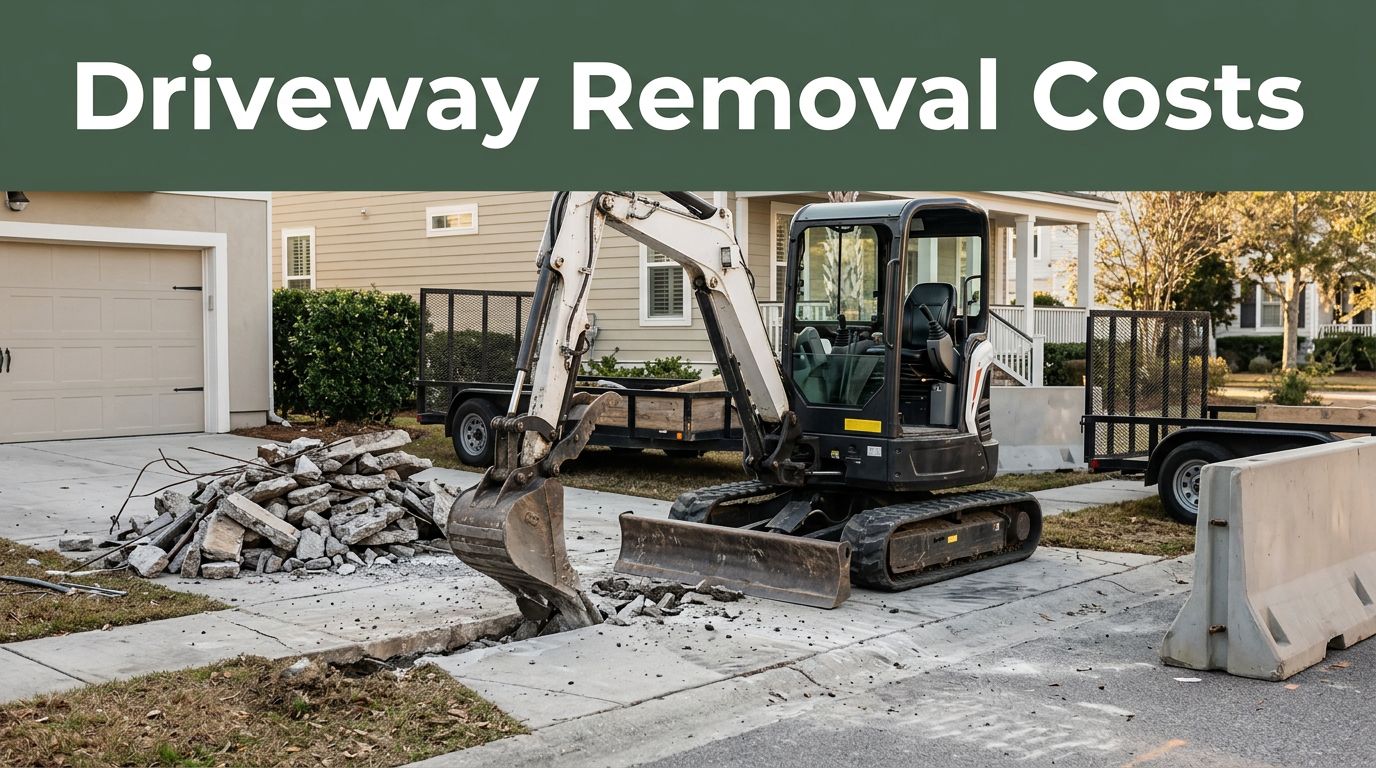
The city, county, utility, or private holder may order changes or require removal if the driveway violates the easement. You could pay for demolition, disposal, drainage repairs, and a new approved installation. The concrete may not be replaced at the easement holder’s expense.
You could also face a drainage claim if the slab redirects water onto another property, blocks a pipe, or damages a public drainage feature. Repair costs may be minor when caught early, but disputes become more expensive after flooding or erosion occurs.
A buyer may also question the driveway during a future sale. Missing approvals, an unrecorded modification, or visible drainage damage can delay closing and complicate title review.
Conclusion
A driveway can sometimes cross a Charleston drainage easement, but property ownership alone doesn’t give you permission to pour. The recorded easement, written approval, local permits, and drainage design must all support the project.
Review the documents first, confirm the controlling agency, and have the crossing designed around water flow and future access. Written approval before concrete work begins is far less expensive than removing a slab after the next repair project. For a project-specific estimate, Get a Free Quote before finalizing your plans.