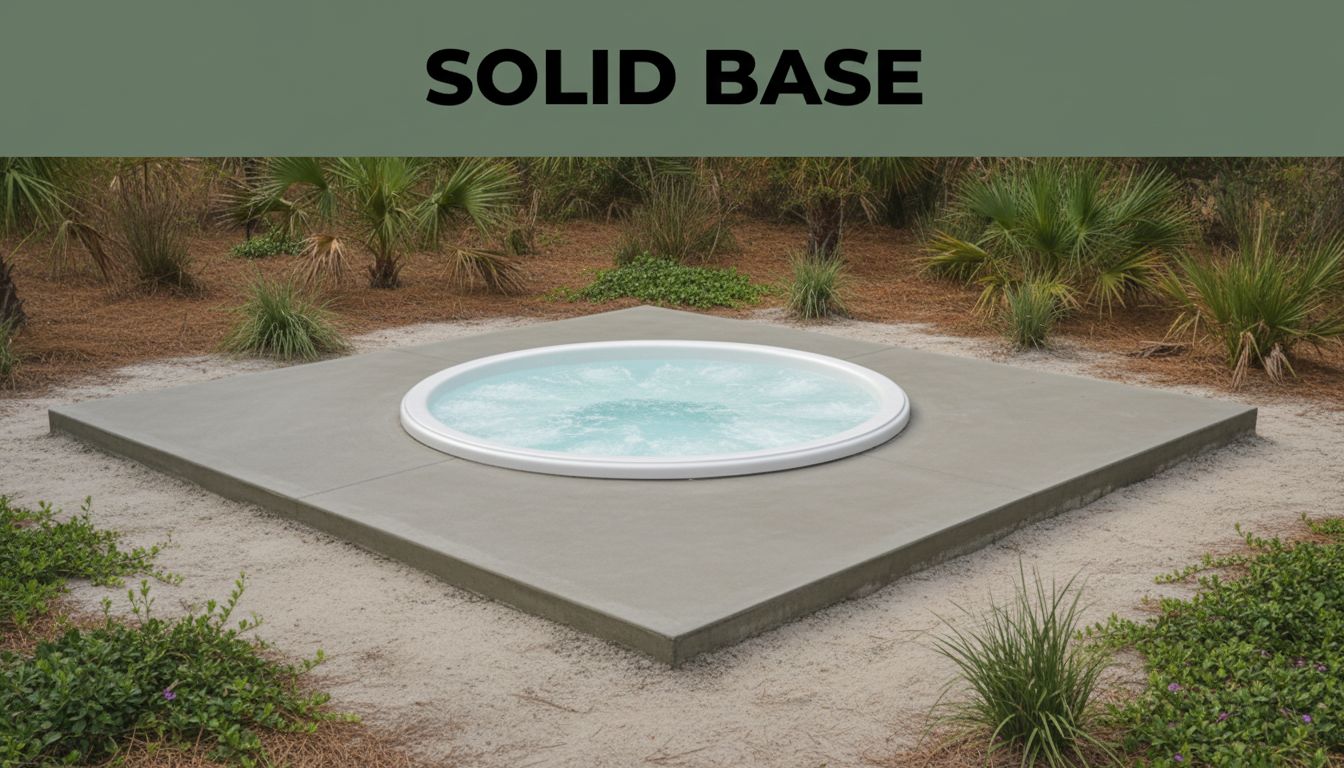
A hot tub looks simple until you add water, people, and Charleston weather. Then the base becomes the part that matters most. For most homeowners, the safest answer is a reinforced concrete pad. It gives the spa a level, long-lasting foundation, and it handles Lowcountry soil better than a soft or uneven surface.
Still, not every model follows the same rule. The right base depends on the tub, the site, and local code, so the details matter before anyone pours concrete.
Why a hot tub needs more than a flat spot
A filled hot tub can weigh several thousand pounds. Add a few guests, and the load climbs again. If the base settles or shifts, the shell can twist, seams can strain, and drainage gets messy.
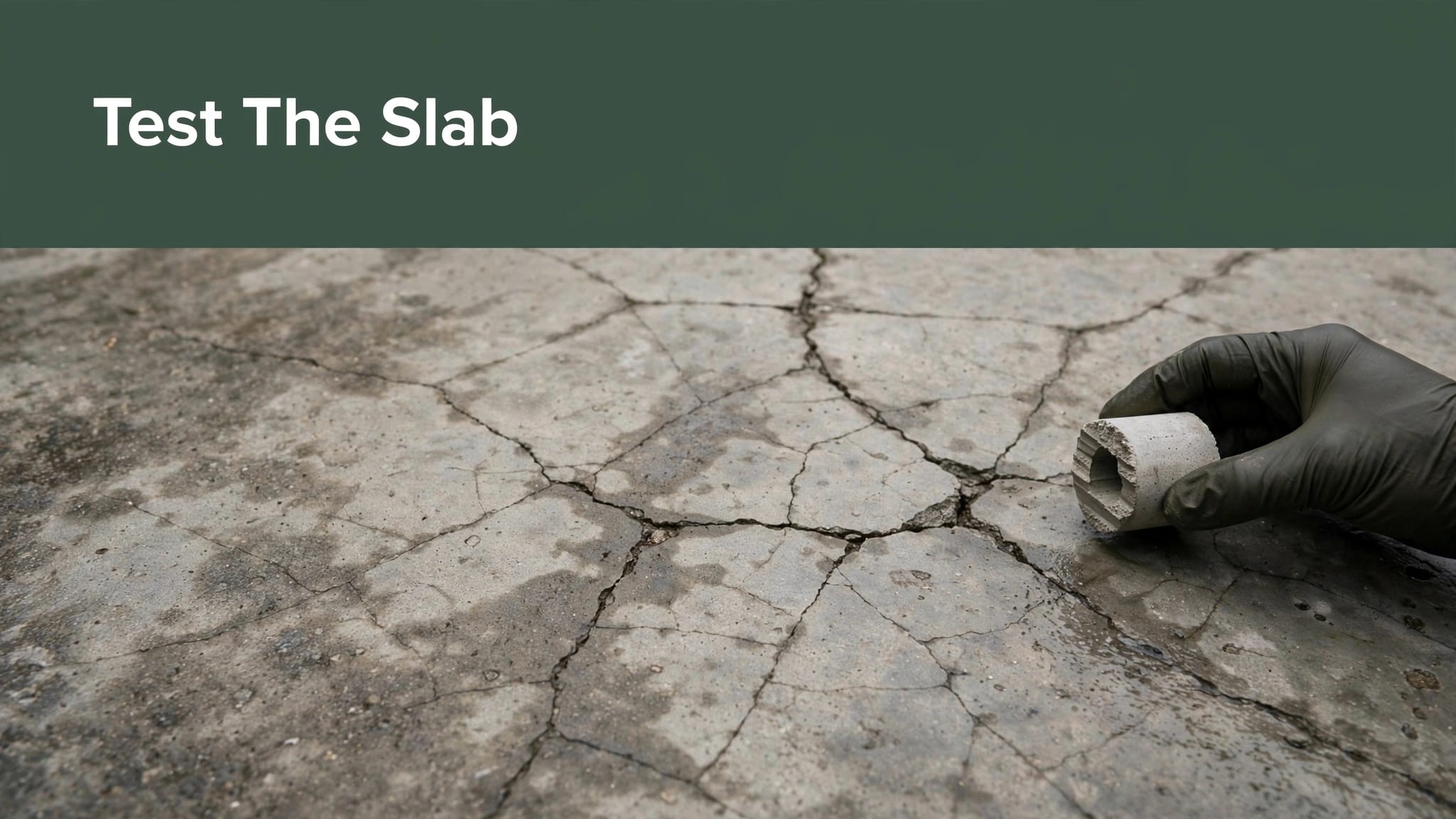
Charleston weather adds another layer. Heavy rain, sandy soil, and soft spots can turn a decent-looking yard into an uneven base.
A concrete contractor Charleston SC homeowners trust should check the soil before the first stake goes in. That small step can save a lot of repair work later.
The best base is the one that stays level after rain, heat, and months of use.
Is reinforced concrete the right answer in Charleston?
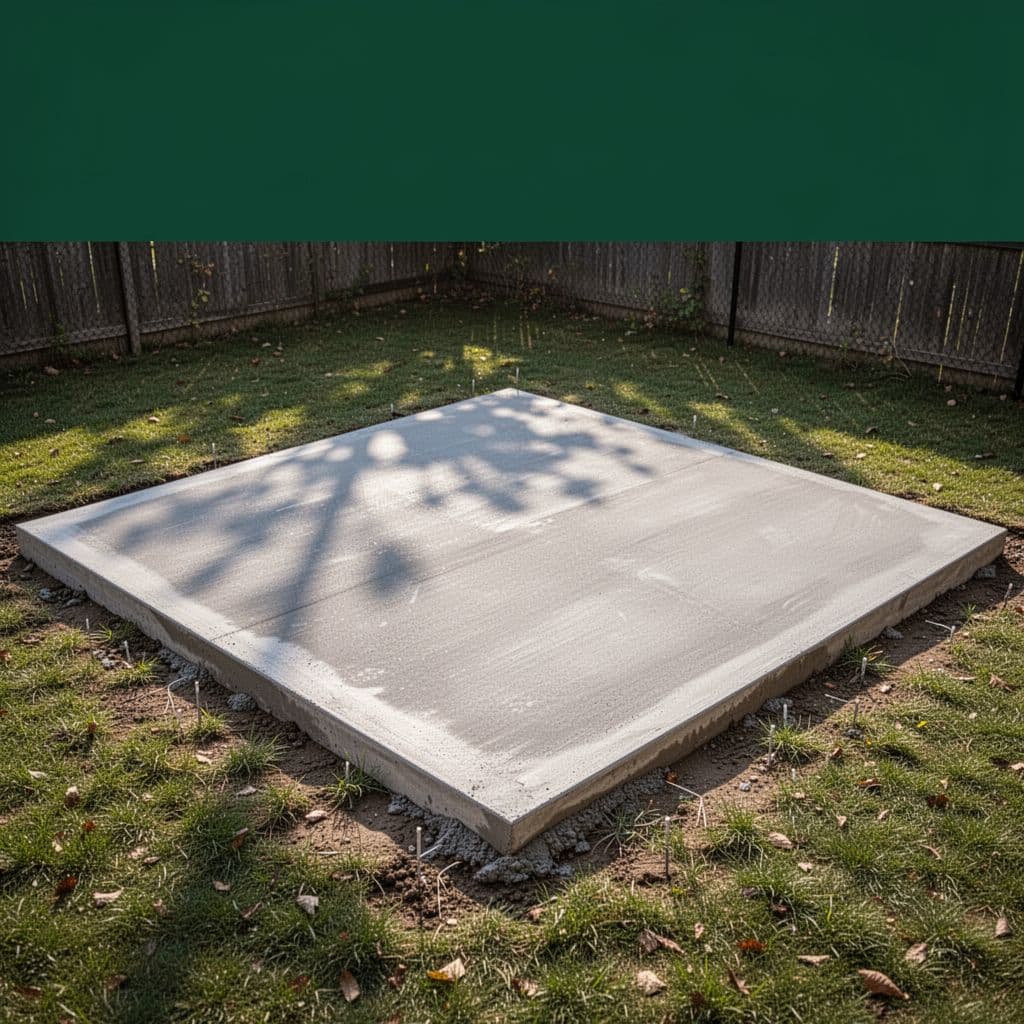
Usually, yes. A Charleston hot tub pad made with reinforced concrete is the most dependable choice because it spreads weight across a stable surface and helps resist cracking.
Some spas can sit on other approved bases, such as a reinforced deck or a compacted paver base. The catch is simple, the base has to match the manufacturer’s instructions and local code.
A quick comparison helps:
| Base type | What it does well | Watch-outs |
|---|---|---|
| Reinforced concrete pad | Stable, durable, common | Needs correct thickness and good prep |
| Reinforced deck | Works with outdoor living spaces | Often needs engineering and careful framing |
| Compacted paver base | Can work for some models | Must stay level and follow the spa specs |
A local code check is smart too. The South Carolina Pool Authority overview gives a clear summary of how South Carolina handles pool and spa rules. For code language on hot tubs and related electrical work, South Carolina Residential Code Chapter 42 is a useful reference.
For most backyard installs, concrete is still the cleanest mix of strength, cost, and long-term stability. If you want a simple starting point, expert Charleston concrete advice can help you think through site prep and drainage.
What a solid Charleston hot tub pad looks like
A good pad is more than a slab of gray concrete. It starts with compacted base material, then reinforcement, then a finish that sheds water away from the spa. It also needs room for service access, because a tight fit makes repairs harder later.
A Lowcountry concrete contractor knows how to account for soft spots, runoff, and the way summer storms change the ground. If the same crew handles Charleston concrete services, they can size the pad for the model, the cover, and any steps around it.
The same planning matters on concrete slab installation Charleston projects for sheds and outdoor kitchens. It also matters on stamped concrete patio Charleston jobs, pool deck concrete Charleston areas, concrete driveway Charleston SC pours, and tabby concrete Charleston finishes, where the concrete has to look right and perform well.
Planning the job before the pour
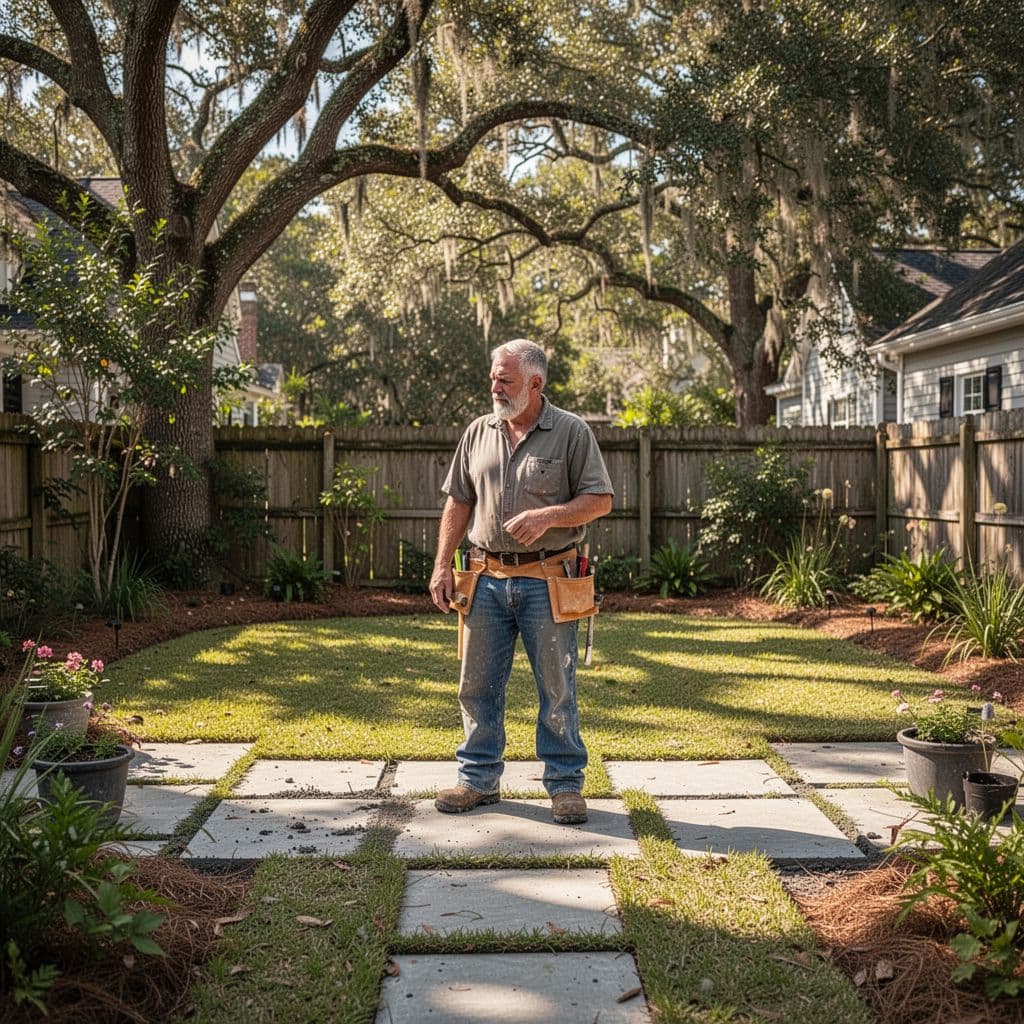
Before anyone orders concrete, a contractor should look at tub size, electrical location, drain path, and how trucks reach the pour area. That visit often answers questions before they become delays.
A concrete contractor should also check how the pad ties into the rest of the yard. If the spa sits near a patio, fence, or pool, those edges shape the layout. Small changes on paper are easier than fixing a bad pour later.
If you want help sorting the details, Get a Free Quote is the fastest way to talk through the project. A good estimate should cover the base, the finish, and any prep work needed to keep the pad stable.
Conclusion
For most Charleston yards, a reinforced concrete pad is the safest, simplest answer for a hot tub. It gives the spa a level base, handles the weight, and holds up better in wet Lowcountry conditions than a soft or improvised surface.
The final check is simple, match the base to the manufacturer instructions, the site, and the way the yard drains. When those pieces line up, the pad is doing its job.